
12th Apr 2022
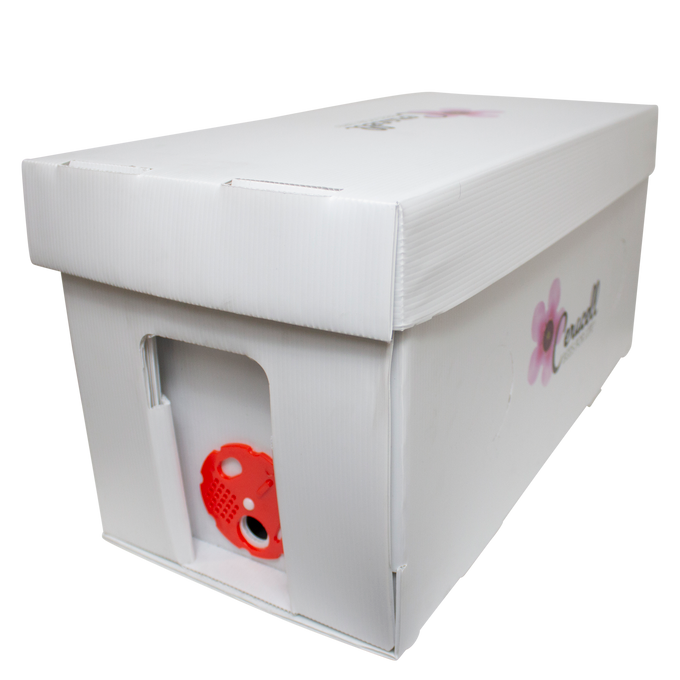
What You Should Know About Buying Honey Bees OnlineHave you ever wondered how beekeepers get their honey bees? There are several ways to fill your apiary, but many beekeepers choose to buy their honey bees online. Like the rest of the world of online shopping, this method of acquiring new honey bee colonies has grown in popularity over the years. That said, there are a few things you need to consider before you add a buzzing box of bees to your d… Read more
Read more
Posted by Bruce Clow on 11th Apr 2022
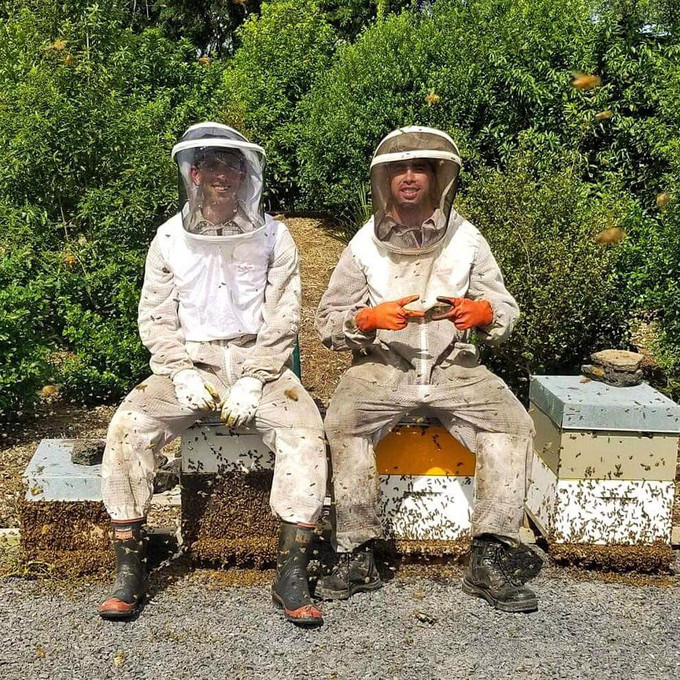
Beekeeping in a Crazy WorldIt’s weird being the age of what I considered to be “old” people. But I now understand the idea of “life experience”. Just being around for a long time usually means you have absorbed some experiences and experience. You’ve seen what works and what maybe should be left alone. I know, I know, there is a difference between having 40 years’ experience and 40 times one year’s experience, but let’s just accept that us… Read more
Read more
Posted by Thomas on 22nd Mar 2022
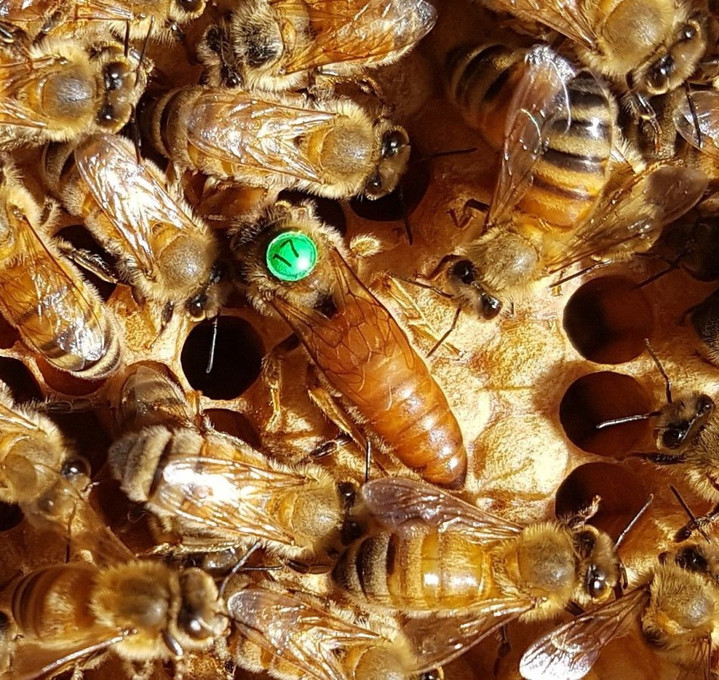
Signs Your Colony Is Queen-LessEveryone’s heard of the queen bee and how important she is. A queen
is responsible for laying eggs and maintaining her colony’s population
levels. Due to her level of importance, losing a queen is one of the
most common ways to lose a colony. Fortunately, there are symptoms you
can look out for to catch the problem and help your bees correct it in
time. Here are some signs your colony is queen-less and h… Read more
Read more
Posted by Bruce Clow on 26th Jan 2022
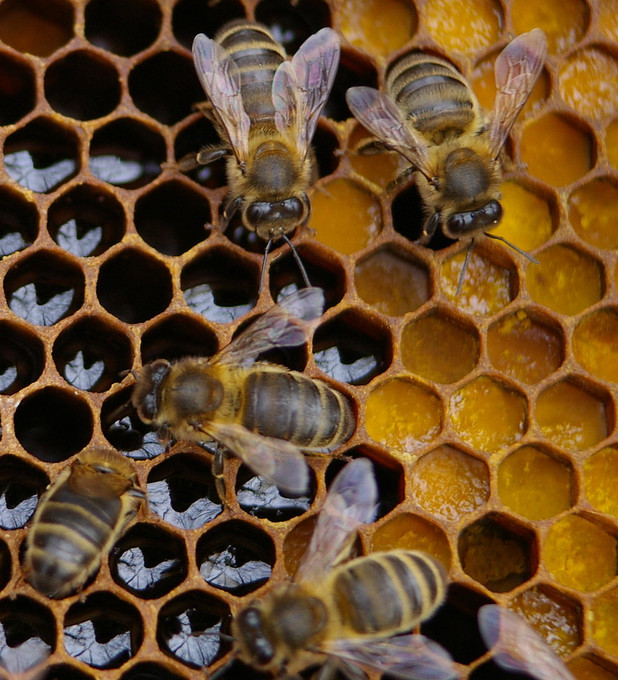
Here’s my take on what’s happening, for better or for worse.It is clear that over the past two years, the apiculture industry has been a business of haves and have-nots. If you have good Manuka sites, you are probably doing just fine. If not, well the cost/price squeeze is hurting. However, what also is clear, is that beekeepers are hard workers and don’t easily give up. And I think that the current situation may be offering a faint glimmer o… Read more
Read more
Posted by Bruce Clow on 26th Jan 2022
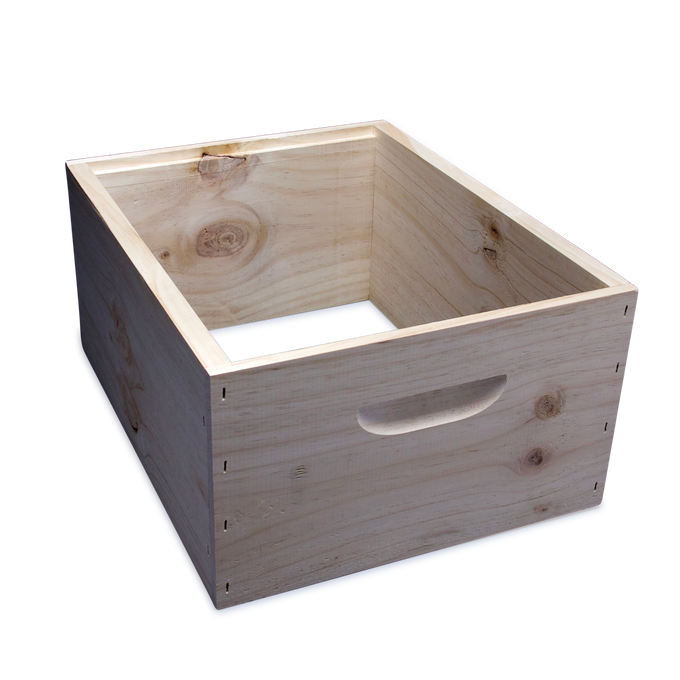
These instructions are for the assembly of all types of kitset supers including Full Depth, ¾ Depth, ½ Depth and Ceracell SlimlineTM supers, whether treated or untreated.Step 1: Check All DimensionsBefore you do anything to your kitset, check all the dimensions. Although we do try to ensure that all components of your kitset are consistent in their lengths and widths before you purchase it, you must check that you are happy that the finished su… Read more
Read more

Posted by Bruce Clow on 26th Jan 2022
Feeding your bees is an interesting topic and you will find many different types and styles of feeder used around the world. I am going to discuss the most commonly found feeders in New Zealand.Now, with the weather getting colder and the days getting shorter, is the time to be thinking about when and how you are going to feed your bees. Some beekeepers will keep back enough frames of honey in their hive to cover the winter period. The ideal amo… Read more
Read more